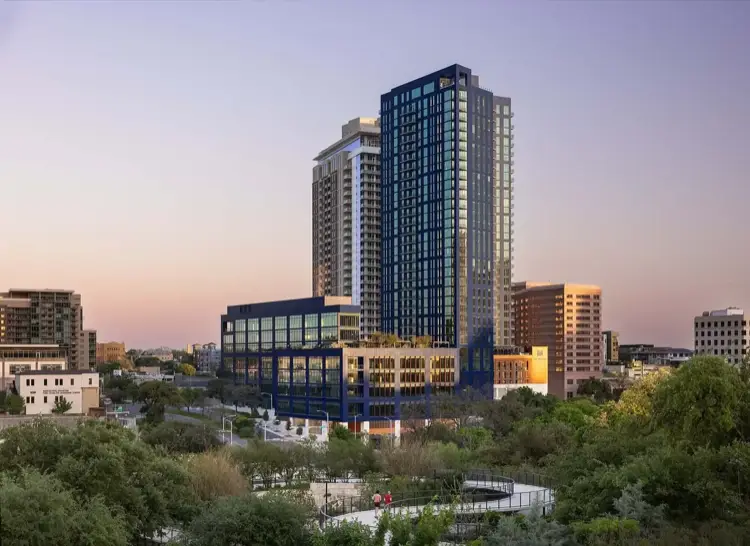
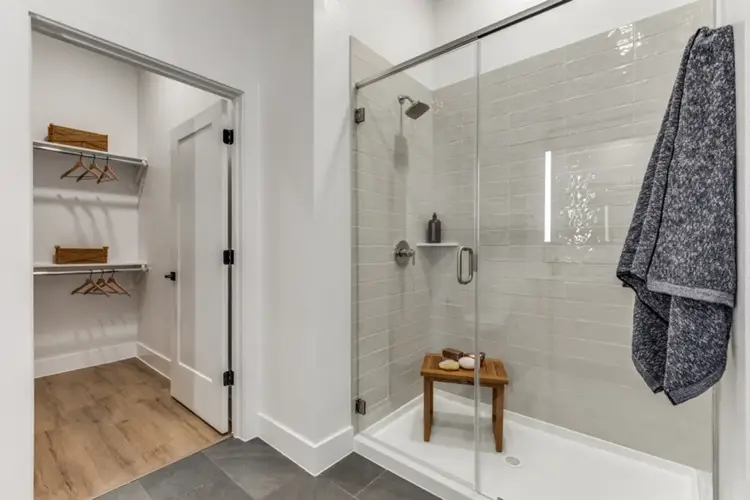
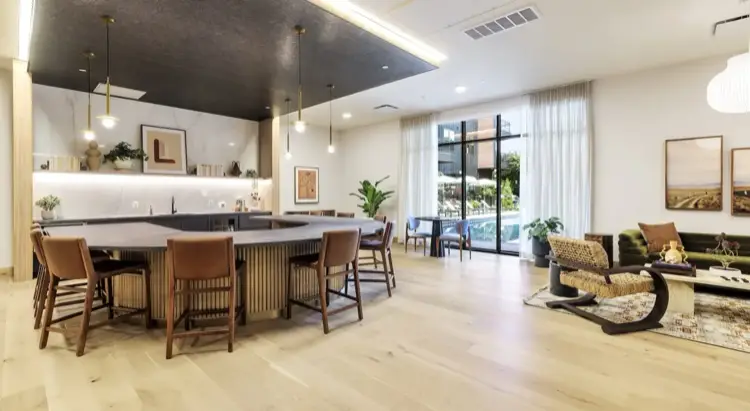
The First Frame

Volume 03 · Season 03

The Journal

A study of architecture, light, material, and permanence.

Curated by Pieter Studio

Chapter 01

Origins

Before there was a Studio, there was a way of seeing.

The practice began as a habit rather than a plan: looking at rooms longer than they ask to be looked at, noting where the light lands in January, keeping the frame that failed. Everything the Studio does now, the sessions, the critiques, the archive, is that habit given structure and a schedule.

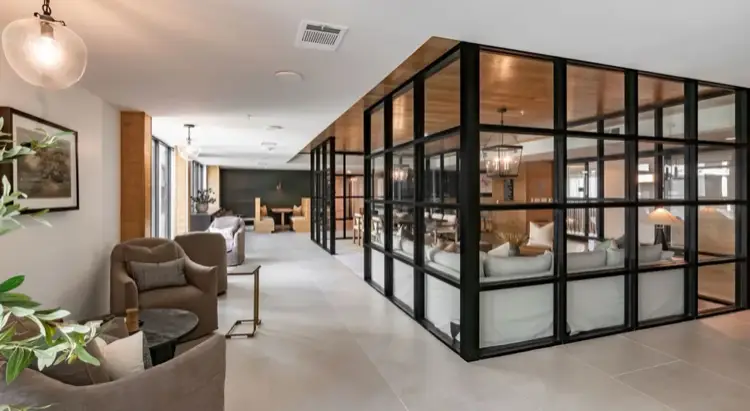
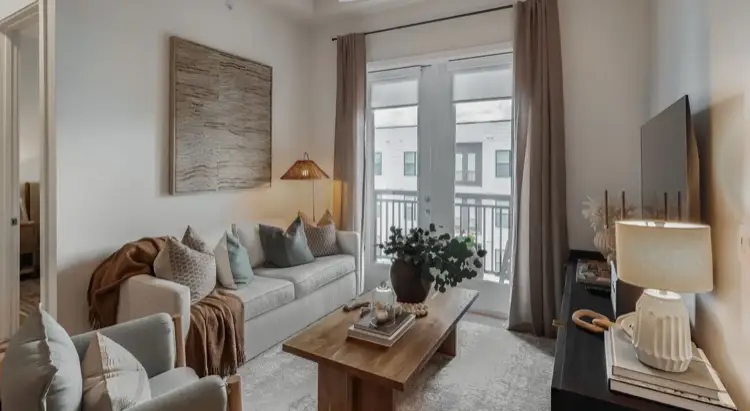
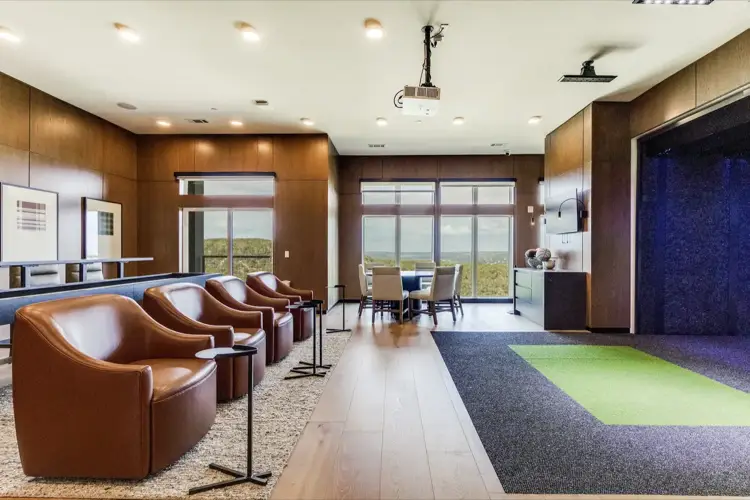
Plate 02 — Waylon, morning

Chapter 02

The Philosophy

Observation 01

Architecture begins long before construction.

Architecture

A building is a set of decisions about how people will move, rest, and be seen. We photograph the decisions, not the surfaces.

Light

Light is the only material that changes every hour. Winter light is lower, longer, and less flattering, and it tells the truth about a room.

Material

Material is where a room keeps its record. Limestone holds a shadow differently than glass, and oak reports every year it has been walked on.

Permanence

Permanence is not age. It is the quality of having been made with attention. Work made with attention survives; work made only with speed dates.

Chapter 03

The Work

The work is the documentation of finished rooms and the sessions that produce them. Plates are selected, not swept up.

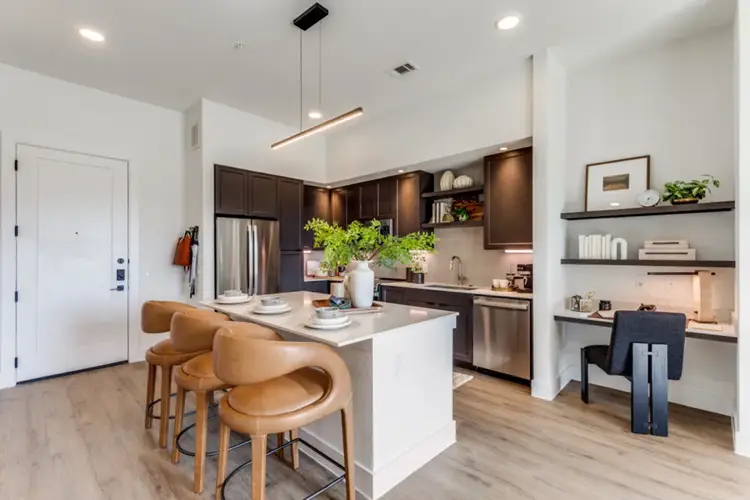
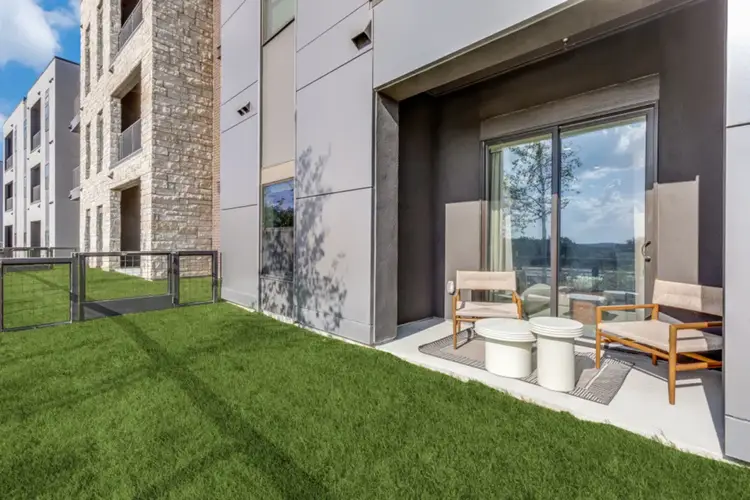
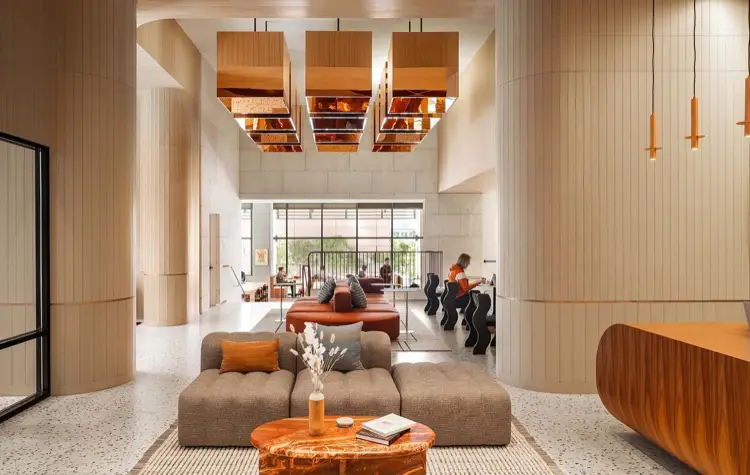
Plate 03 — Solomon, late afternoon

Observation 02

A room that holds up in January holds up anywhere.

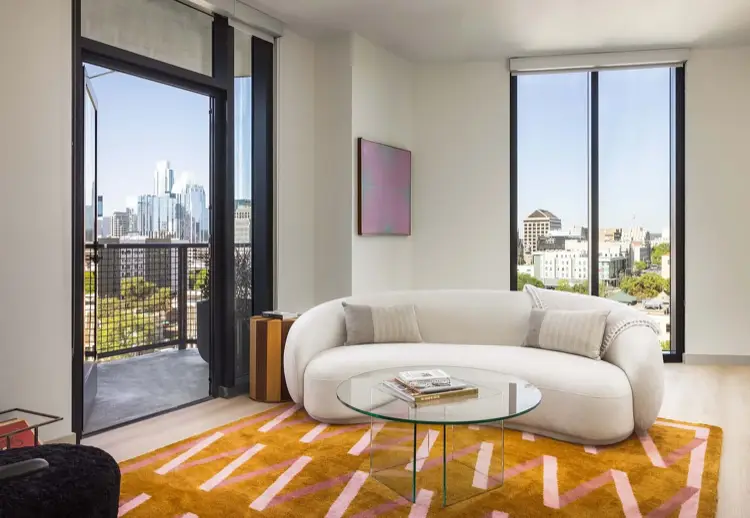
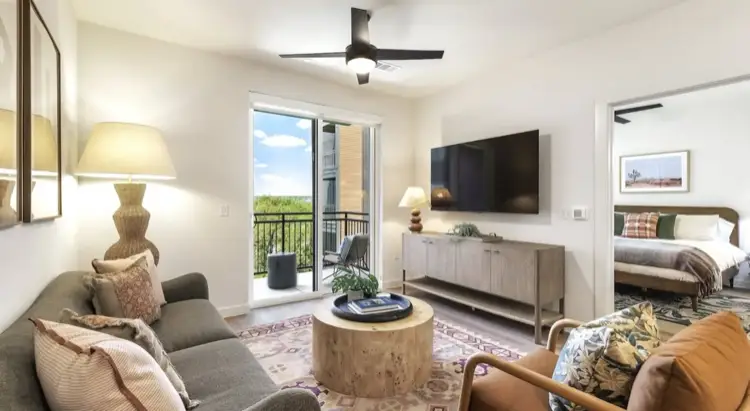
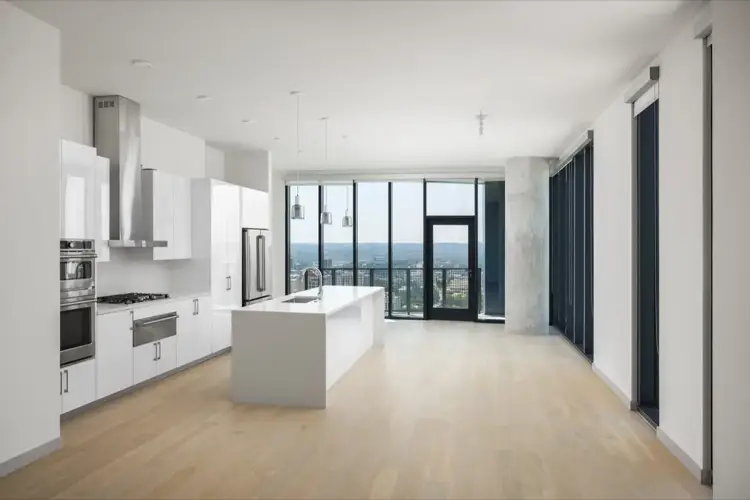
Plate 04 — Waller, stair landing

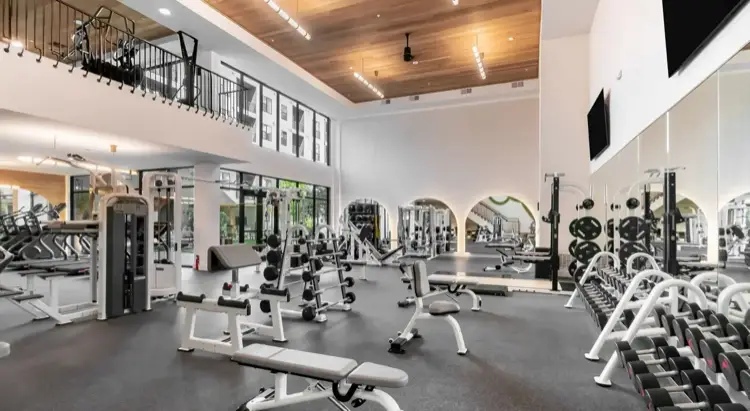
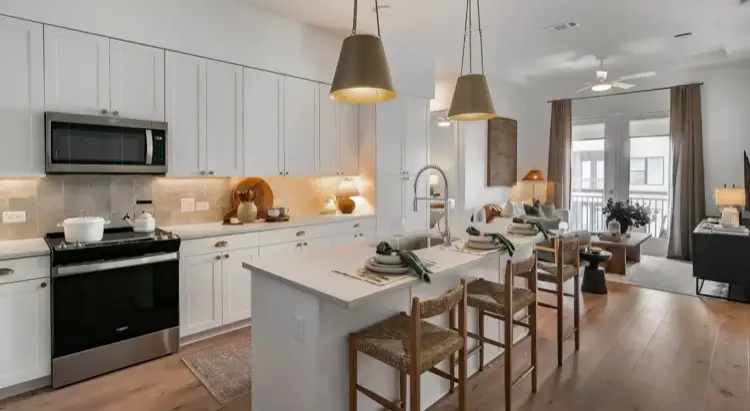
Frames set aside from four sessions. The Process Archive keeps the rest.

Chapter 04

The Archive

The notes below are the record of the practice, kept as they were written. Nothing here is backdated.

On keeping the rejected frame

Most of what a session produces is set aside. That is expected. The surprise is how often a discarded frame keeps teaching after the chosen one has stopped.

We keep them in the drawer for a reason. A frame that failed on the day sometimes explains, months later, why the successful one worked. The Process Archive holds more of these than the Collection ever will.
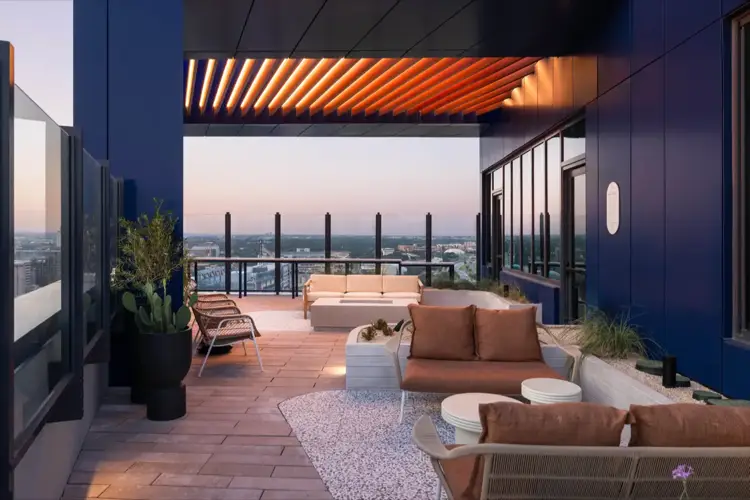
Documentation is not interpretation

There is a quiet line between recording a room and arguing for it. Documentation says: this is what was here. Interpretation says: this is what you should feel about it.

We try to stay on the near side of that line. The work is more trusted when it does not raise its voice.

Shadow behaves differently on limestone

Light meets limestone slowly. The edge of a shadow is never quite an edge; it softens, holds, and gives the whole afternoon a different pace than glass or steel would.

It is a small thing to notice and a hard thing to photograph. Noticing it first is most of the work.

On attention and the machine

The studio uses a good deal of technology, and we are careful about what we ask it to do. A tool should extend attention, not replace it. The moment a system decides what is worth looking at, the looking stops being ours.

So the machine drafts, scores, and sorts; the judgment stays with a person. That division is not nostalgia. It is the only arrangement we have found that keeps the work honest over time. The best result is not the fastest one. It is the one someone was still paying attention to at the end.

Permanence follows from that. Work made with attention tends to survive; work made only with speed tends to date.

Why we keep the winter light

We schedule a surprising amount around winter light. It is lower, longer, and less flattering, and it tells the truth about a space in a way summer noon never does.

A room that holds up in January holds up anywhere.

The full collection is kept in the Archive.

Chapter 05

Today

The practice is private and works by application. Sessions run nationally, wherever the work asks for it.

By application

Observation 03

The record outlasts the session.

The Studio is not a place.
It is a way of seeing.

The public archive tells the history. The Studio is where the next chapter is written.

Become a Member